Timing Is Everything: The Seasonal Playbook for Entering Travel Contests at the Right Moment
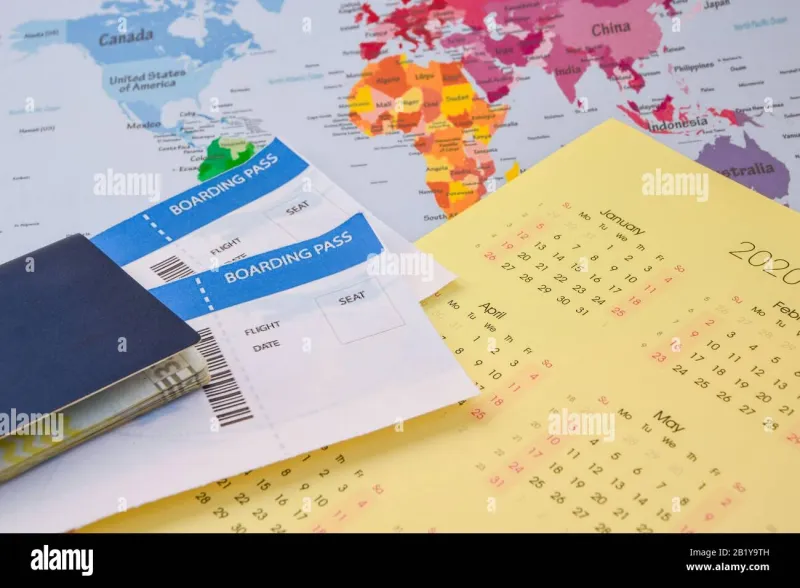
Photo: calendar with travel planning pins and passport on desk, via c8.alamy.com
Here's a question most people never think to ask: When should I be entering travel contests?
The average giveaway hunter focuses almost entirely on finding contests and filling out entry forms. That's table stakes. But seasoned entrants — the ones who seem to win with suspicious regularity — have figured out something most people overlook entirely: the calendar is one of the most powerful tools in your contest strategy.
Travel giveaways don't run randomly. They follow patterns tied to marketing budgets, industry cycles, seasonal demand, and consumer behavior. Once you understand those patterns, you stop playing the lottery and start playing chess.
Why Contest Timing Actually Affects Your Odds
Let's get one thing straight: more entries in a contest pool means lower odds for everyone. Simple math. So the goal isn't just to find great giveaways — it's to find great giveaways that fewer people know about or are actively entering.
That's where timing comes in. Certain months attract massive waves of entrants. Others are surprisingly quiet. The same prize — say, a week in Cancún — might have 50,000 entries in January and only 12,000 in October. Same trip. Wildly different odds.
Understanding when those quiet windows open up is genuinely one of the most underused advantages in the contest world.
The Crowded Months: When Everyone Else Is Entering
Before we talk about opportunity windows, it helps to know when to expect the heaviest competition.
January is brutal. New Year's resolutions send millions of Americans into a frenzy of self-improvement — and that includes dreaming about travel. Brands know this and launch splashy campaigns accordingly. Entry volumes spike hard.
February through mid-March stays competitive, partly because Valentine's Day drives romantic getaway giveaways and partly because spring break travel hype starts building early.
June and July bring another surge. Summer travel fever is real, school's out, and families are actively seeking vacation wins. Big-brand contests run heavily during this window because engagement rates are high.
During these months, it's not that you shouldn't enter — it's that you should be realistic about your odds and prioritize contests that require more effort (essays, photo submissions, creative entries), since fewer people bother.
The Sweet Spots: When Your Odds Get Quietly Better
Now for the good stuff.
Late August and September are genuinely underrated. Summer winds down, kids go back to school, and a big chunk of the casual contest crowd mentally checks out. Meanwhile, travel brands — especially those pushing fall getaways, international trips, and shoulder-season deals — are still running promotions. Fewer entrants, solid prizes. This is a window serious entrants should exploit aggressively.
October and early November might be the single best stretch of the year for travel contest entries. Entry volumes drop noticeably while brands push hard to move Q4 inventory. Airlines, hotel chains, and tour operators are all trying to fill seats and rooms during the slower travel season. Giveaways are plentiful, competition is lighter, and the prizes are often genuinely impressive.
The post-holiday stretch — late January into February — is also worth watching. The New Year's rush fades fast. By the third week of January, a huge percentage of resolution-driven entrants have already drifted away, but new contests are still launching. There's a brief window of lower competition before Valentine's Day kicks things back up.
Industry Patterns Worth Knowing
Beyond general seasonality, different travel sectors have their own promotional rhythms.
Airlines tend to run their biggest giveaways around major holidays and during slow booking periods — think early September and mid-January. They're trying to stimulate demand, so the prizes can be generous.
Hotel brands and resort chains often align promotions with their own low-occupancy periods. A Caribbean resort might run a major giveaway in late spring (before summer premium pricing kicks in) or in October (before the winter rush). Watch for these windows — the prizes are often full-week stays that would otherwise cost thousands.
Tourism boards — representing countries, states, or cities — typically run larger campaigns tied to fiscal year budgets, which often reset in fall or spring. Keep an eye on official tourism social accounts and email newsletters; these organizations frequently run contests that fly under the radar compared to major brand giveaways.
Credit card and loyalty program promotions tend to cluster around Q1 (January–March) as brands push new sign-ups and engagement. These can include significant travel prizes, and because they're often tucked inside loyalty program communications, the entry pool stays smaller.
How to Build Your Own Entry Calendar
Knowing the patterns is one thing. Actually using them requires a little structure.
Start by marking the low-competition windows on your calendar right now: late August, all of September, October, and early November. Treat these months as your high-priority entry season. Block time each week — even just 20 to 30 minutes — specifically for finding and entering travel contests.
During the crowded months, shift your strategy rather than abandoning it entirely. Focus on contests with higher barriers to entry (creative submissions, referral requirements, multi-step entry forms) because casual entrants drop off fast when things get complicated. Your willingness to put in a little extra effort becomes a genuine edge.
Keep a simple spreadsheet or notes app log of the contests you enter, including the brand, prize, entry deadline, and estimated drawing date. Over time, you'll start to see your own patterns — which types of contests you win more often, which brands run repeat promotions, and which months produce results for you personally.
One More Timing Trick Most People Miss
Entry deadlines matter more than most people realize. A significant percentage of contest entrants pile in during the first few days after a giveaway is announced and again in the final 48 hours before it closes. The middle stretch — especially the final two weeks of a month-long contest — often sees a dip in daily entries.
If a contest allows daily entries or multiple submissions, that mid-period lull is prime time to rack up entries while the crowd is distracted. You're not changing the total pool dramatically, but you're maximizing your own share of it during a quieter window.
The Bottom Line
Winning travel contests isn't purely about luck — and it was never supposed to be. The people who consistently walk away with free flights, hotel stays, and dream vacations aren't just clicking submit more than everyone else. They're thinking strategically about when they enter, which contests attract lighter competition, and how to align their effort with the moments when their odds are genuinely better.
The calendar is free. The patterns are real. Now you know where to look.