Half of America Can't Fly International — Make Sure You're Not One of Them
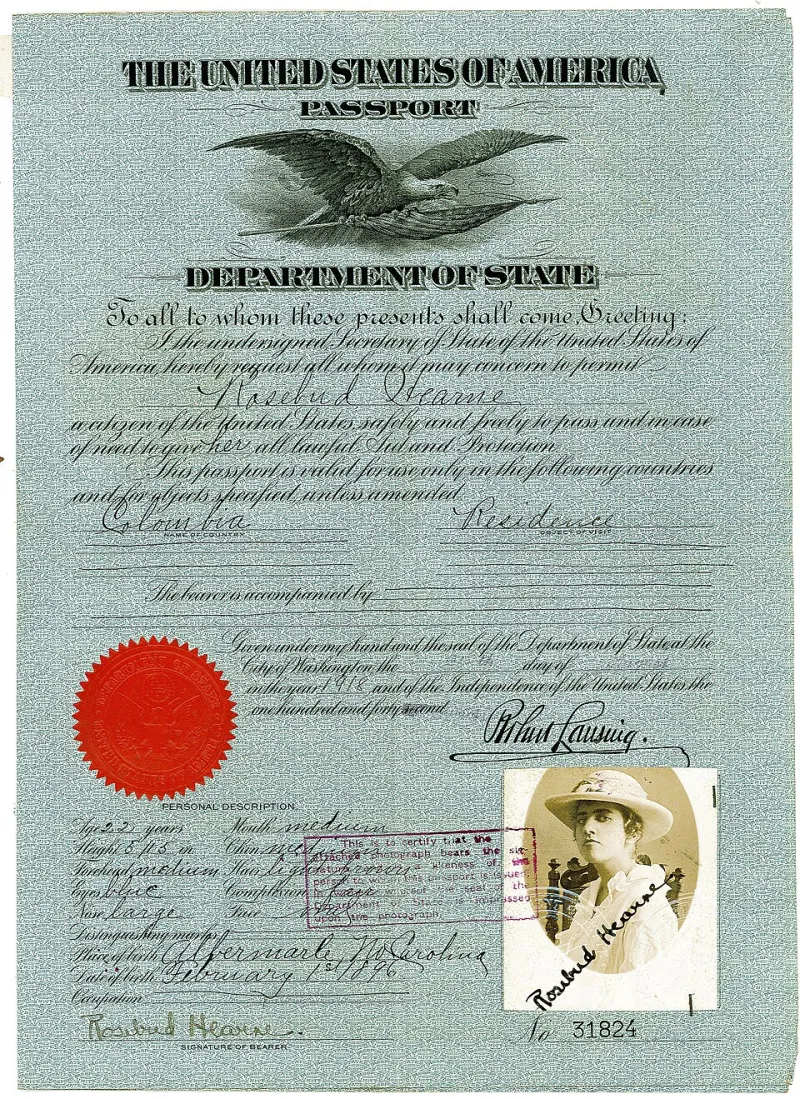
Photo: , Public domain, via Wikimedia Commons
Here's a stat that should stop every contest enthusiast mid-entry: fewer than half of Americans hold a valid passport. Depending on which federal estimates you trust, it's somewhere in the neighborhood of 45 to 50 percent of the population — meaning the other half is entering — and sometimes winning — international giveaways they cannot legally board a plane for.
Think about that for a second. Someone wins a week in the Amalfi Coast, checks the drawer, and finds a passport that expired in 2017. The trip doesn't pause while you fix your paperwork. Sponsors have hard travel windows, and winners who can't comply often forfeit. The dream dies not because of bad luck, but bad logistics.
The Real Timeline (Not the One on the Website)
The State Department's official processing estimates are a starting point, not a promise. Routine processing routinely stretches longer than first-time applicants expect, and while expedited service exists, it costs extra and still isn't instantaneous. Add mailing time on both ends — you'll send your original documents away and wait for their return — and a "quick renewal" can quietly eat three months.
Now layer on the details people forget:
- The six-month rule. Many countries won't admit you if your passport expires within six months of entry. A passport expiring this fall may already be functionally dead for travel to certain destinations.
- Blank pages. Some countries require one to two completely empty visa pages. Frequent travelers know this; first-timers find out at check-in.
- Names. If your driver's license says a nickname and your passport says your legal name, airline tickets need to match the passport. Book the ticket in the passport's name, every time.
Visas, Vaccines, and Other Plot Twists
A valid passport is the floor, not the finish line. Depending on where a contest trip goes, you might also need:
- An electronic travel authorization — places like Australia, Canada, and much of Europe's upcoming ETIAS system require a quick online pre-clearance, usually cheap and fast, but mandatory.
- A full visa — certain destinations require in-person applications, appointments, and weeks of lead time. If your prize trip is to a visa-required country and you're starting from zero, your window shrinks dramatically.
- Vaccinations — a handful of destinations require proof of yellow fever vaccination or similar, documented on a card you'll want to locate before the airline asks.
None of this is meant to scare you off international contests. It's meant to reframe them: the people who actually get to go are the ones who did the boring work in advance.
Make 'Passport-Ready' Your First Move
If you're serious about winning your way around the world, do this week:
- Find your passport. Right now. Check the expiration date. If it's inside the next 18 months, start the renewal — that buffer covers the six-month rule.
- If you've never had one, apply anyway. A passport is a decade-long license to say yes. Even if you never win a single contest, it converts someday-trips into actual ones.
- Set a calendar reminder nine years from now. Future you will send a thank-you note.
- Read contest fine print for travel windows. Some prizes must be taken within a fixed period. If you can't get travel-ready in that window, an international entry might not be worth your click yet.
The Bigger Picture
There's a quieter argument here, beyond contests. Americans who hold passports travel more, plan more, and say yes more — not because they're luckier, but because the barrier to entry is already cleared. When opportunity shows up, in the form of a sweepstakes win, a cheap fare alert, or a friend's destination wedding in Mexico, they can simply go.
Entering contests is a game of odds. Being passport-ready is a game of preparation. Stack them together and you're no longer just dreaming about that giveaway to Kyoto — you're the rare entrant who could actually be on the plane.
Check your drawer. We'll wait.